
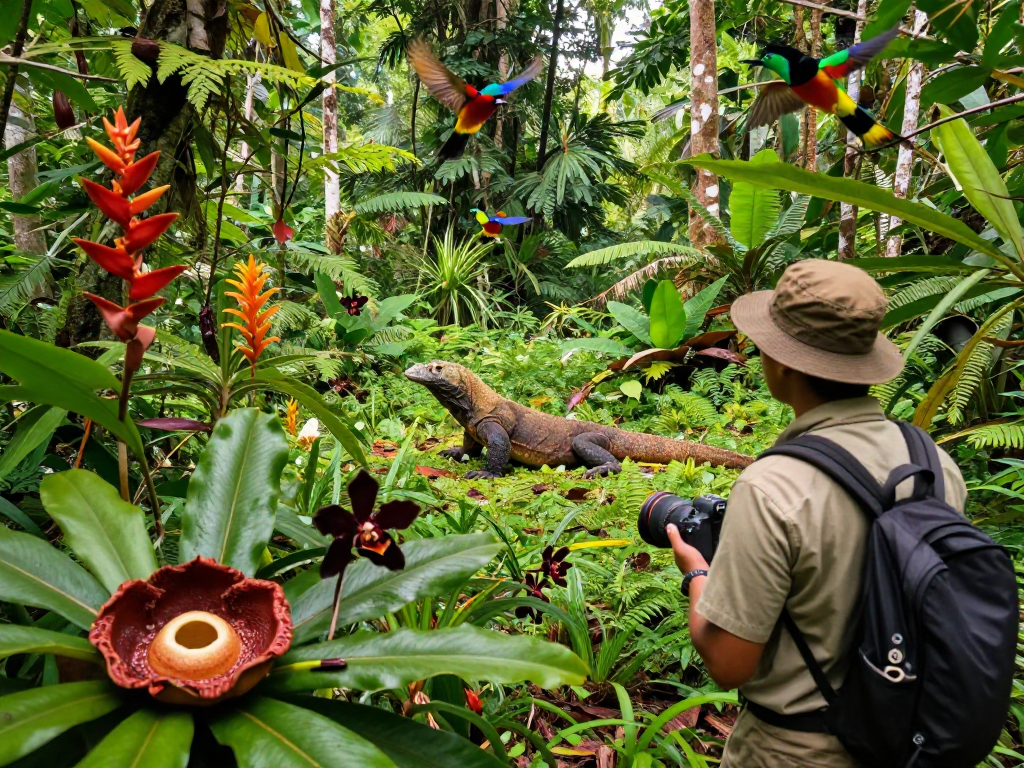
Understanding the Importance of Biodiversity in Indonesia
Indonesia is renowned for its staggering biodiversity, often regarded as one of the world's most vital ecological regions. Home to over 17,000 islands, this Southeast Asian archipelago boasts a unique blend of flora and fauna that has captured the attention of both scientists and nature enthusiasts alike. Biodiversity encompasses the variety of life on Earth, which is crucial not only for ecological balance but also for sustainable development. As we explore the significance of biodiversity in Indonesia, it is essential to recognize the unique ecosystems that contribute to global biodiversity and the pressing need for conservation efforts.
When exploring options, https://petsnatureworld.com provides comprehensive insights into biodiversity and conservation strategies that are critical for Indonesia's future.
What Defines Biodiversity?
Biodiversity refers to the variability among living organisms from all sources, including terrestrial, marine, and freshwater ecosystems. It encompasses diversity within species, between species, and of ecosystems. In Indonesia, the richness of biodiversity is exemplified by its approximately 40,000 plant species, 1,700 bird species, and over 600 mammal species. This diversity is not merely a curiosity; it plays an intricate role in the health of ecosystems, influencing everything from climate regulation to food security.
The Role of Biodiversity in Ecosystem Health
The ecosystems in Indonesia serve as crucial regulatory systems for the environment. They provide critical services such as pollination, nutrient cycling, and waste decomposition, which are all essential for maintaining healthy ecosystems. Furthermore, biodiversity contributes to resilience against environmental changes, such as climate variability and natural disasters. For instance, diverse forests can recover more quickly from disturbances than monoculture plantations, highlighting the importance of maintaining varied species within ecosystems.
Key Species Unique to Indonesia
Among the many species endemic to Indonesia, several stand out as symbols of the country’s unique biodiversity. The Komodo dragon, known as the world's largest lizard, is only found on a few islands in Indonesia. Other notable species include the Orangutan, the Javan Rhinoceros, and the Bali Starling, all of which are critical to their respective ecosystems. The conservation of these species is not only vital for ecological reasons but also for cultural and economic reasons, as they draw tourism and enhance national pride.
Common Mistakes in Biodiversity Research
Neglecting Local Knowledge and Community Engagement
One common mistake in biodiversity research is overlooking the invaluable knowledge that local communities possess. Indigenous peoples have lived in harmony with their environments for generations and can provide insight that is often absent from traditional scientific research. Engaging with these communities can lead to more effective conservation strategies and a greater understanding of local ecosystems.
Overlooking Endangered Species and Their Habitats
Another critical oversight in biodiversity research is the tendency to focus only on charismatic megafauna while neglecting other species that are equally endangered. Many smaller or less glamorous species play essential roles in their ecosystems and their conservation is equally important. Failure to protect their habitats can lead to ecosystem collapse, illustrating the need for a holistic approach to biodiversity conservation.
Disregarding Ecological Interactions
Moreover, failing to understand the complex interactions between different species can lead to misguided conservation efforts. Ecosystems are interconnected webs of life, and the decline of one species can have cascading effects on others. Research should aim to elucidate these relationships to bolster efforts in preserving biodiversity effectively.
Best Practices for Effective Biodiversity Conservation
Implementing Local Conservation Strategies
To counteract the threats to biodiversity, effective conservation strategies must be implemented at the local level. This includes establishing protected areas and wildlife reserves that also consider the needs of local communities. Conservation efforts should be tailored to fit the unique ecological contexts and cultural nuances of different regions within Indonesia.
Engaging with Indigenous Knowledge
Integrating indigenous knowledge into biodiversity conservation practices can yield profound benefits. Respecting and incorporating traditional ecological knowledge can lead to more sustainable and efficient management of natural resources. Initiatives that empower indigenous populations to engage in conservation practices are essential for long-term success.
Utilizing Technology in Research and Monitoring
Technology can play a pivotal role in monitoring and preserving biodiversity. Tools such as Geographic Information Systems (GIS), remote sensing, and smartphone applications enable researchers to gather data more efficiently than ever before. These technologies can facilitate real-time monitoring of ecosystems, enabling quicker responses to threats.
Real-World Examples of Successful Biodiversity Projects
Case Study: Komodo National Park
Komodo National Park is a prime example of successful biodiversity conservation. Established in 1980, this UNESCO World Heritage site protects the habitat of the Komodo dragon and promotes the conservation of marine biodiversity within its waters. The park’s management focuses on sustainability, engaging local communities in tourism initiatives that benefit both the economy and conservation efforts.
Community-Based Conservation in Sumatra
In Sumatra, community-based conservation efforts have shown promise in preserving the area's rich biodiversity. By empowering local communities to manage and protect their resources, these initiatives have improved both conservation outcomes and community livelihoods. Such collaborative approaches can often yield more significant results than top-down conservation mandates.
Innovative Approaches to Endangered Species Protection
Innovative approaches such as biodiversity offsets are gaining traction as a method to protect endangered species. This strategy involves compensating for environmental damage by ensuring that conservation efforts elsewhere will contribute to the overall health of biodiversity. It encourages companies to mitigate their impacts, leading to enhanced ecological protection.
Future Trends in Biodiversity Conservation Efforts
The Role of Climate Change in Biodiversity
As climate change continues to impact ecosystems worldwide, its effects on biodiversity in Indonesia are becoming increasingly apparent. Rising temperatures and shifting weather patterns threaten the habitats of many species. Conservation strategies need to incorporate adaptation measures to ensure the resilience of ecosystems against climatic changes.
Emerging Technologies for Conservation
Emerging technologies such as drone surveillance, environmental DNA (eDNA) analysis, and artificial intelligence are transforming biodiversity conservation. These tools enable more precise monitoring of species and ecosystems, providing critical data to inform management decisions and improve conservation outcomes.
Global Policies Impacting Local Biodiversity Efforts
Global policies play an integral role in shaping biodiversity conservation at the local level. International agreements such as the Convention on Biological Diversity (CBD) provide frameworks for nations to develop and implement conservation strategies. Indonesia’s commitment to these global agreements is crucial in addressing its biodiversity challenges.
How Can Schools and Communities Get Involved?
Education is a powerful tool in fostering a culture of conservation. Schools and community organizations can implement programs focused on biodiversity, such as wildlife clubs or environmental stewardship initiatives. By engaging young people in conservation efforts, communities can cultivate a new generation of environmental advocates.
What Are the Most Endangered Species in Indonesia?
Indonesia is home to numerous endangered species, including the Sumatran Orangutan, Javan Rhino, and the Bali Starling. Protecting these species requires targeted efforts to preserve their habitats and ensure sustainable populations. Increased awareness and research are needed to mobilize support for their conservation.
How Can Technology Aid in Biodiversity Monitoring?
Technology can significantly enhance biodiversity monitoring by providing tools for data collection, analysis, and reporting. Remote sensing, for example, allows conservationists to detect changes in land use and habitat loss, while smartphone applications can facilitate citizen science, allowing the public to contribute to biodiversity data gathering.
What Strategies Are Most Effective for Local Conservation?
Effective local conservation strategies often include participation from various stakeholders, including governments, NGOs, and local communities. Implementing education and outreach programs can increase awareness and encourage community engagement in conservation efforts. Sustainable practices and responsible tourism also play critical roles in local conservation success.
Why Is Biodiversity Important for Future Generations?
Biodiversity is vital for future generations because it underpins ecosystem services that are essential for human survival. Healthy ecosystems provide clean air and water, food, medicine, and climate regulation. Preserving biodiversity today ensures that we maintain these critical resources for future inhabitants of our planet.